

A second storey addition is often the most effective way to expand a home without giving up valuable outdoor space.
For many Toronto families, the existing footprint already works. The neighbourhood works. The lot works. What no longer works is the amount of space inside the home.
A well-designed second storey addition Toronto project can turn a bungalow or smaller two-storey home into a long-term family house, adding bedrooms, bathrooms, a primary suite, and better overall flow while preserving the character and location of the property itself.
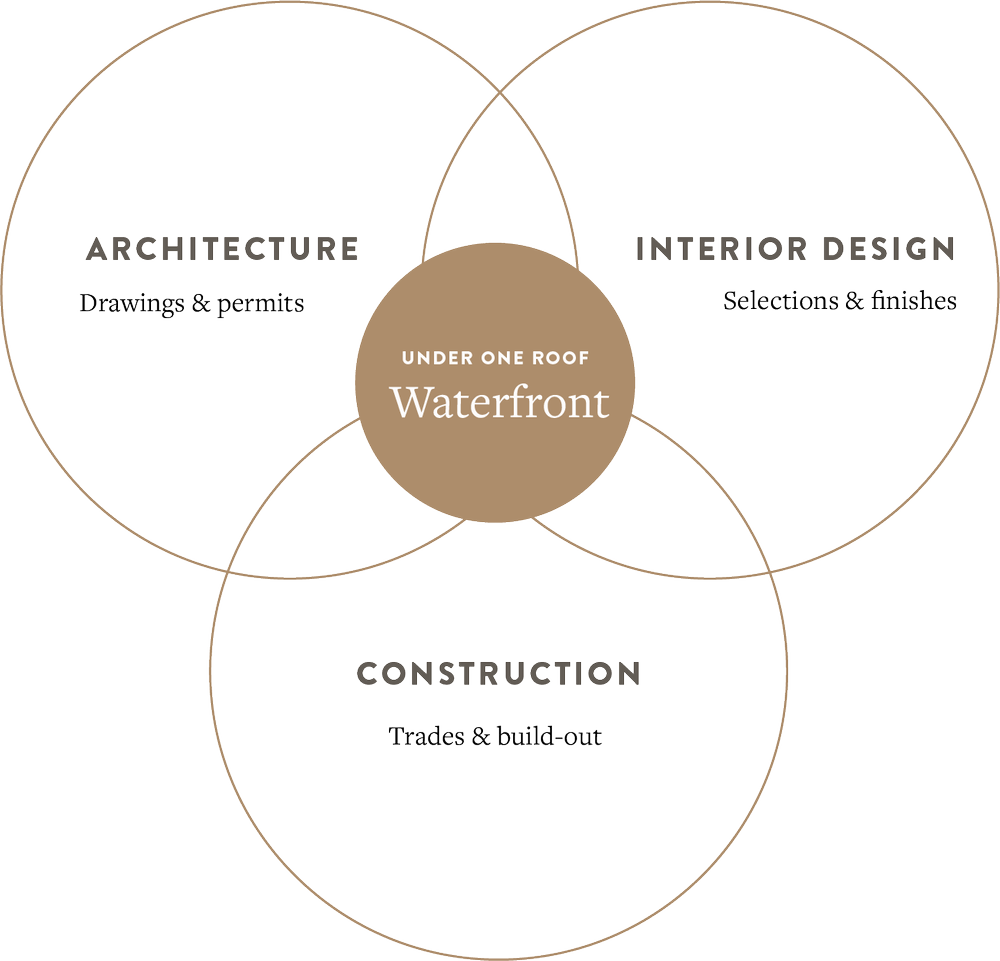
At Waterfront Home Improvements, every second storey addition is engineered, permitted, and built through one integrated design-build process under one roof. Our team undertakes residential design, construction planning, and execution, ensuring structural coordination, permitting, budgeting, and construction remain aligned from the beginning.
For over 15 years, our team has completed second floor addition projects in Toronto across Etobicoke, Swansea, Mimico, Roncesvalles, High Park, and Mississauga, helping families stay in the neighbourhoods they already love while creating homes that better support how they live today.
WHEN IT FITS
When a Second Storey Makes Sense
A second storey addition is usually the right solution when the existing footprint functions well, but the home needs more bedrooms, bathrooms, and private family space.
These projects work particularly well on Toronto bungalows and smaller west-end homes where the main floor already supports the family’s day-to-day living, but the upper level no longer provides enough usable space.
A second storey is often the right fit when homeowners want:
- a proper primary suite,
- additional bedrooms,
- multiple bathrooms,
- improved separation between living and sleeping areas,
- or long-term space without relocating.
It is not always the right answer.
In some homes, the larger issue is the main-floor layout itself: the kitchen location, circulation, or lack of living space. In those cases, a rear extension or broader interior reconfiguration may create a better long-term result than building upward alone.
Part of our role as a design-build team is helping homeowners weigh those options clearly before design begins.
Second storey additions also make the most sense for families planning to remain in the home long term. The investment is significant, and much of the value comes from how the home supports daily life over time rather than immediate short-term resale. If your timeline is shorter than 5 years, a targeted kitchen plus home addition on the main floor often delivers more usable value for less capital.

ENGINEERING
Engineering and Permits
Every second storey addition begins with structural review.
Before design progresses, we assess whether the existing foundation and main-floor structure can support the additional load of a full second floor. Some homes can carry the addition with minimal reinforcement. Others require targeted structural upgrades or more significant foundation work.
Our team coordinates:
- structural design & engineering review,
- permit-ready drawings,
- zoning analysis,
- Committee of Adjustment applications where required,
- and City of Toronto permit management.
Our careful coordination allows construction to move more efficiently once work begins on site.
Many west-end Toronto neighbourhoods carry zoning constraints related to height, floor-space index, setbacks, or angular plane requirements. Identifying those conditions early is critical to building a realistic design and budget.
Where heritage or conservation overlays apply, we also coordinate the required municipal review process as part of the broader permit package.
The engineering phase resolves the structural questions that turn a concept into a buildable project:
- load paths,
- beam sizing,
- lateral bracing,
- roof removal strategy,
- foundation reinforcement,
- and integration between the new structure and the existing home.
TIMELINE
Timeline and What to Expect
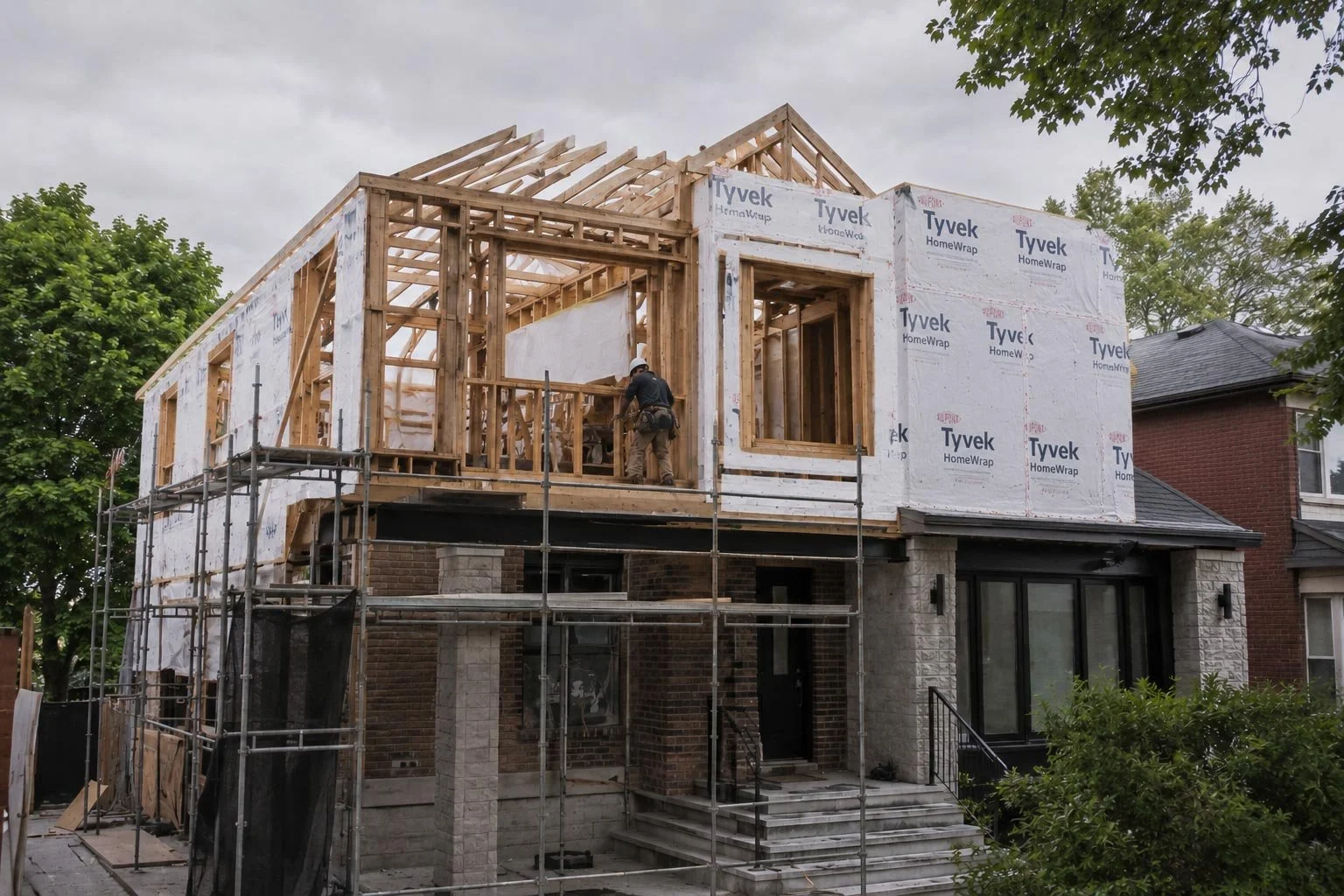
A full second storey addition typically involves several months of on-site construction following the design and permit phase.
The most structurally intensive stage is the removal of the existing roof and framing of the new upper level. Weather-sensitive work is carefully sequenced to protect the home during construction, with tarping and temporary protection plans coordinated in advance.
Once the new structure is enclosed and weather-tight, the project transitions into interior construction: mechanical, electrical, drywall, paint, millwork, flooring, and trim are all coordinated by one site lead. This ensures scheduling remains more organized and predictable throughout the build.
Clients receive regular progress updates, site communication, and forward scheduling so selections and approvals are handled before they become time-sensitive during construction.
HOME ADDITIONS UMBRELLA
Home Additions in Toronto: Full Scope
Waterfront delivers the full range of home addition work in Toronto. A second storey is one of three main addition types, and on most projects the first design conversation is which one fits the lot and the family brief.
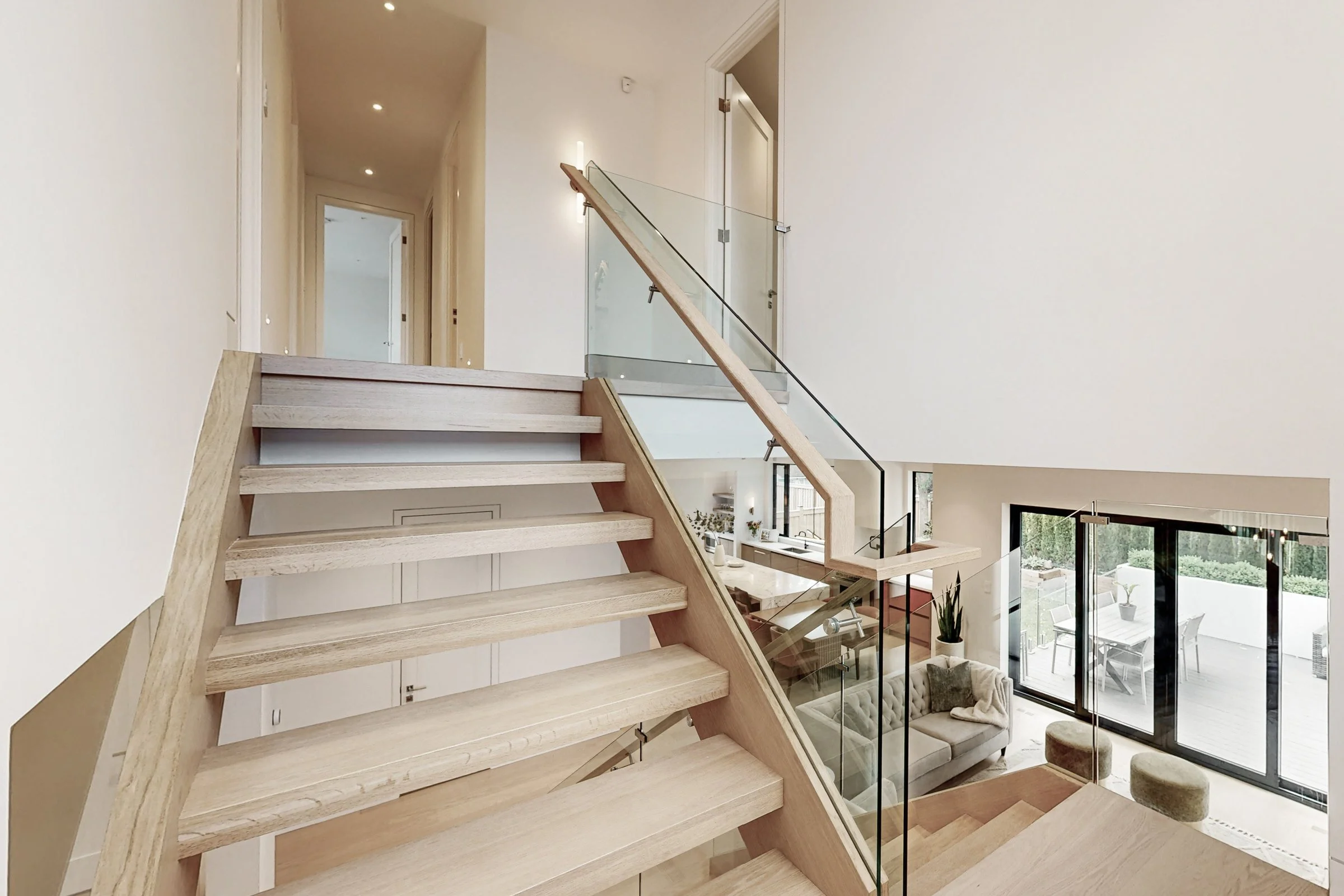
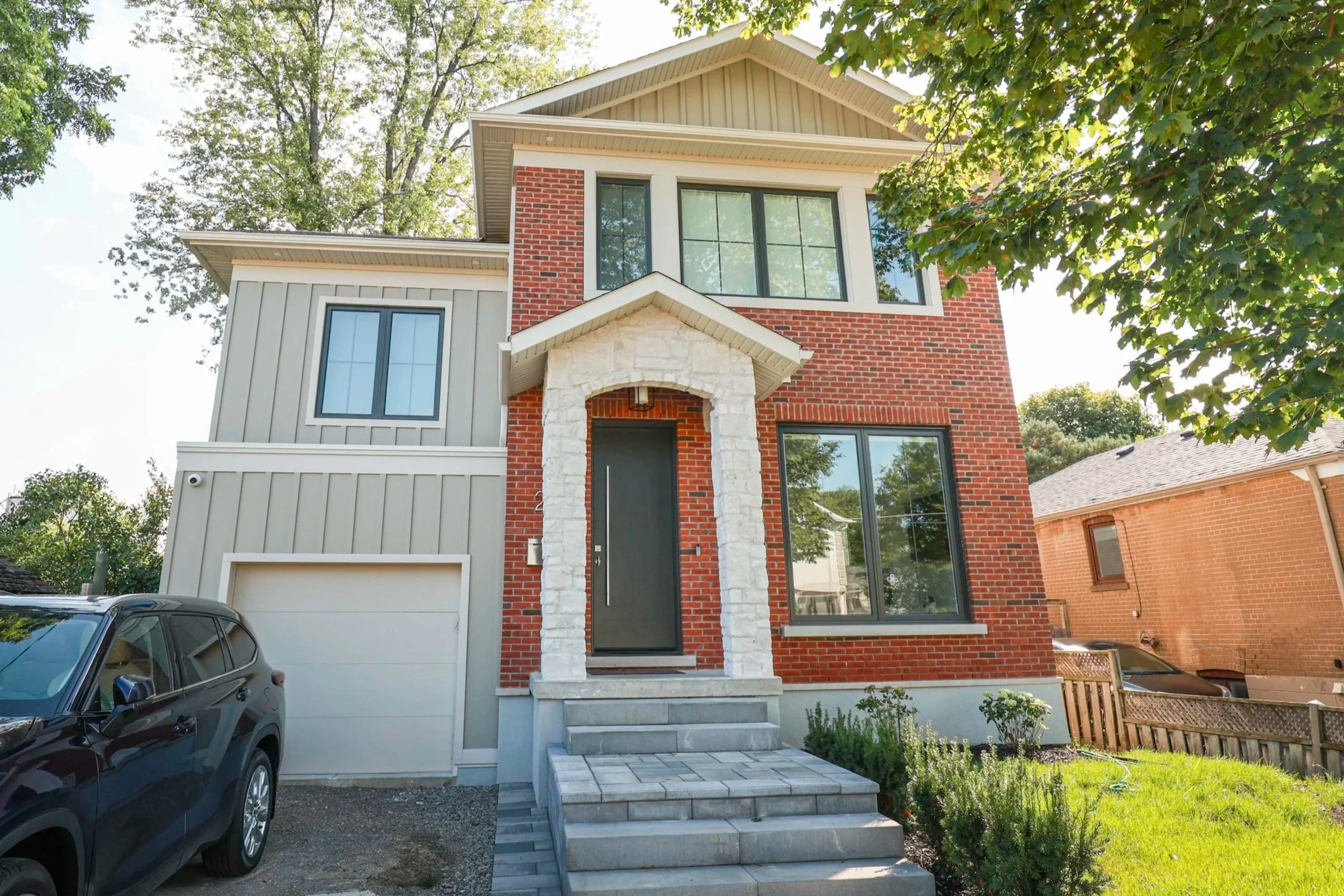
See our Home Additions umbrella page for deeper coverage of all three types.
Second storey
Most square footage for the footprint. Best when the family needs bedrooms and bathrooms.
Rear extension
Most cost-efficient per square foot. Best when the family needs a larger main floor, a bigger kitchen, or a family room.
Side build
Works on wider lots where zoning leaves room. Often paired with a rear extension.
RECENT PROJECTS
Recent Second Storey Projects
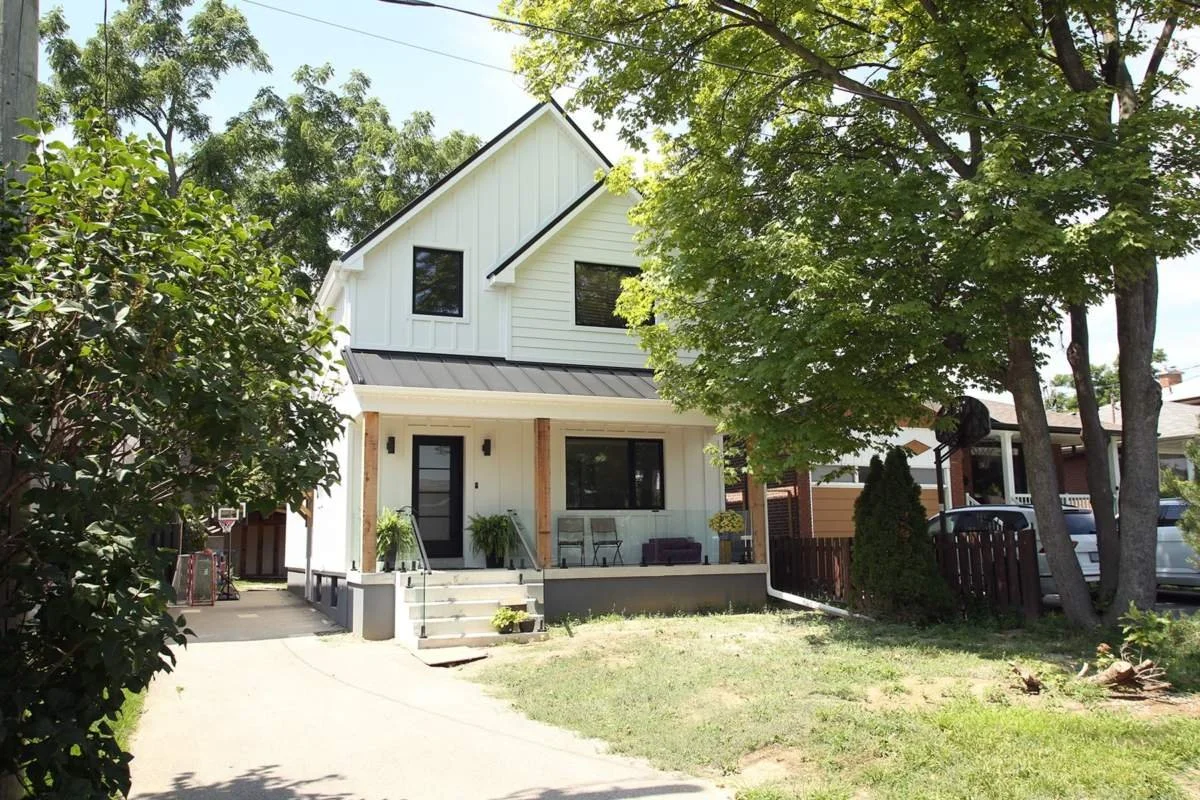
Recent home addition Toronto projects completed by Waterfront include:
- A full second storey addition on an Etobicoke post-war bungalow adding a primary suite, three children’s bedrooms, and a shared upper-level bathroom
- A Swansea second floor addition project designed around a dedicated primary retreat, walk-in closet, ensuite, and additional family bedrooms
- A combined second storey and rear extension on a Roncesvalles century home integrating heritage-sensitive exterior detailing with a fully reworked interior layout
- A Mimico bungalow expansion that doubled the usable living space while preserving the original streetscape character of the home
- A Mississauga family addition project incorporating both structural reinforcement and a fully redesigned main floor beneath the new upper level
Every project moved through the same integrated process: design, engineering, permitting, and construction coordinated by one team from beginning to end.
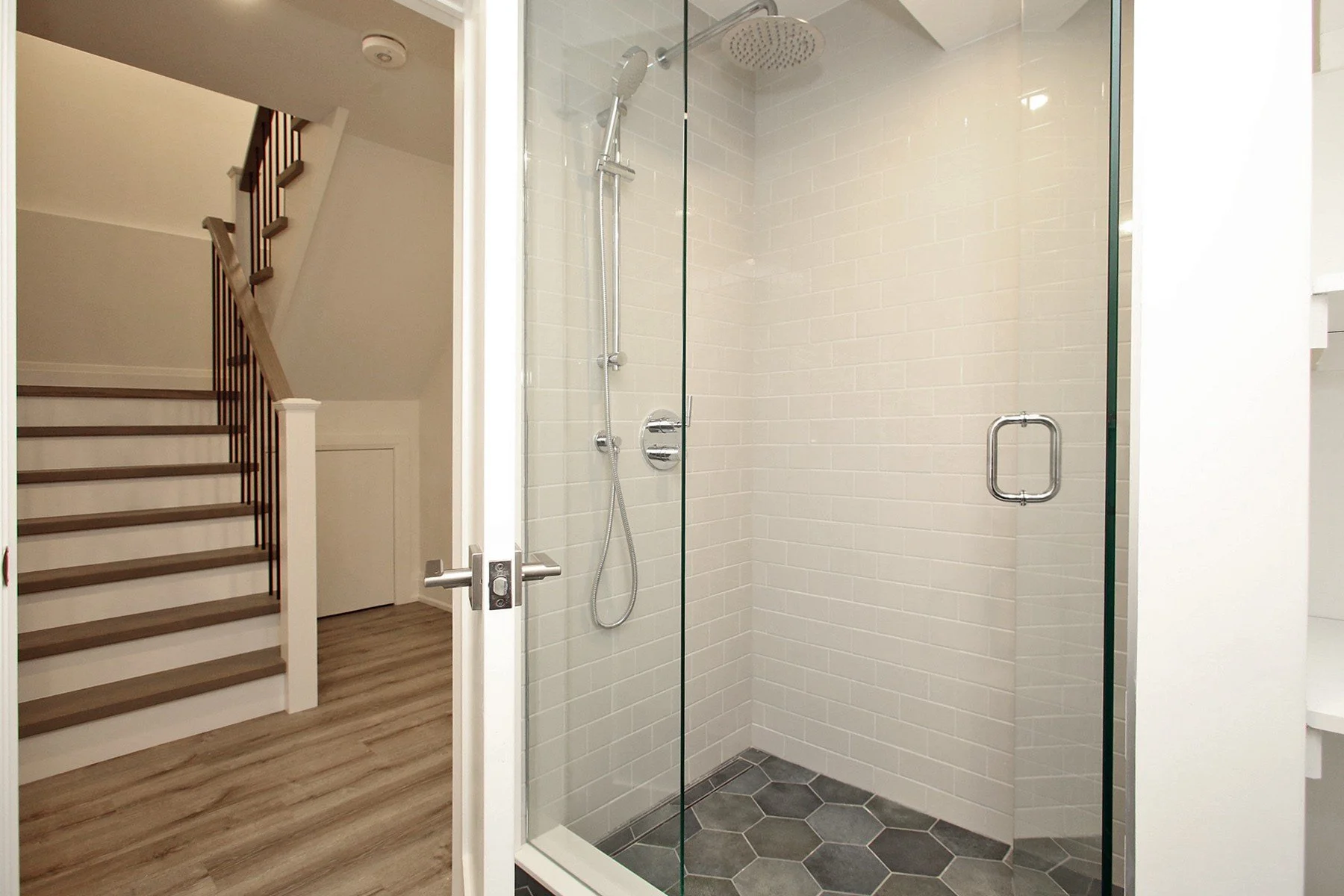

FOUNDATION QUESTIONS
Foundation-Capacity Answers Before You Commit
Foundation capacity is one of the first questions we evaluate on every second storey project. The answer affects both project scope and budget, which is why structural review happens early in the process rather than after design is complete.
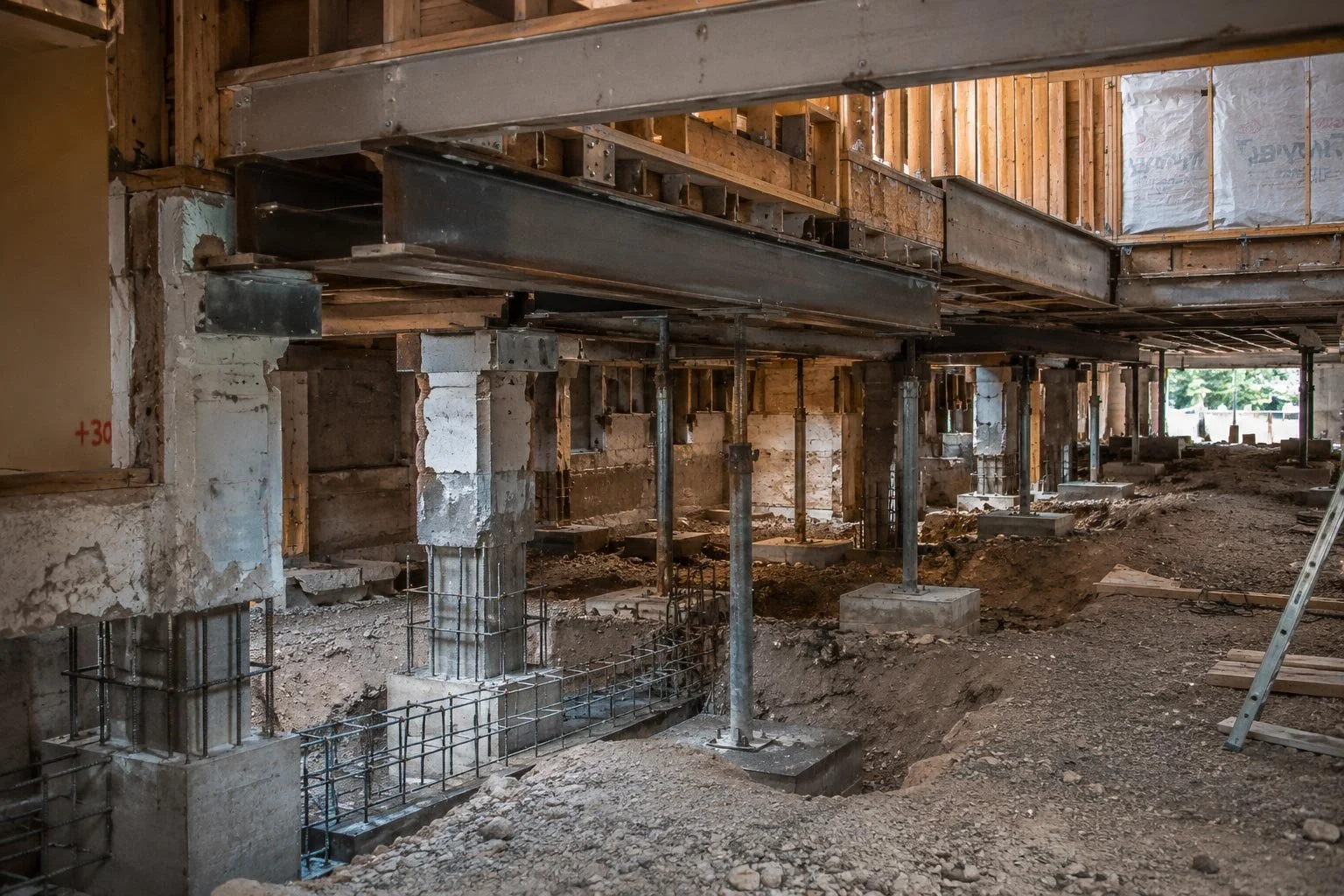
Typical scenarios include:
- Foundation Carries As-Is
Some post-war and newer homes are structurally capable of supporting an additional floor with minimal reinforcement. - Foundation Reinforcement Required
Older homes often require targeted reinforcement through new footings, structural beams, or localized support upgrades. - Underpinning Required
In some cases, underpinning is necessary to support the additional load or improve basement conditions simultaneously.
Where homeowners are also considering a legal basement apartment conversion, underpinning can sometimes support both projects together, improving the long-term value of the overall investment.
Related Services
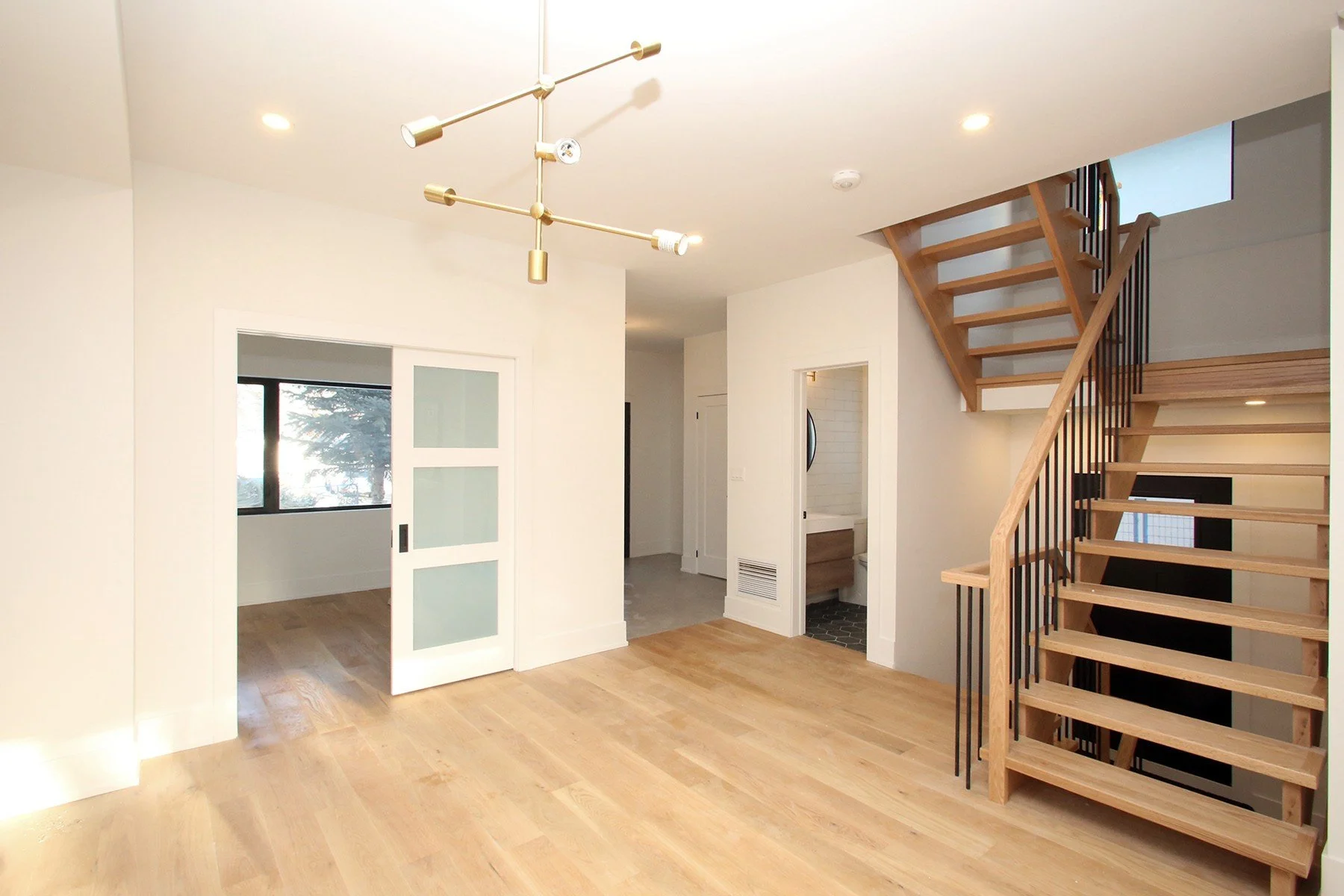
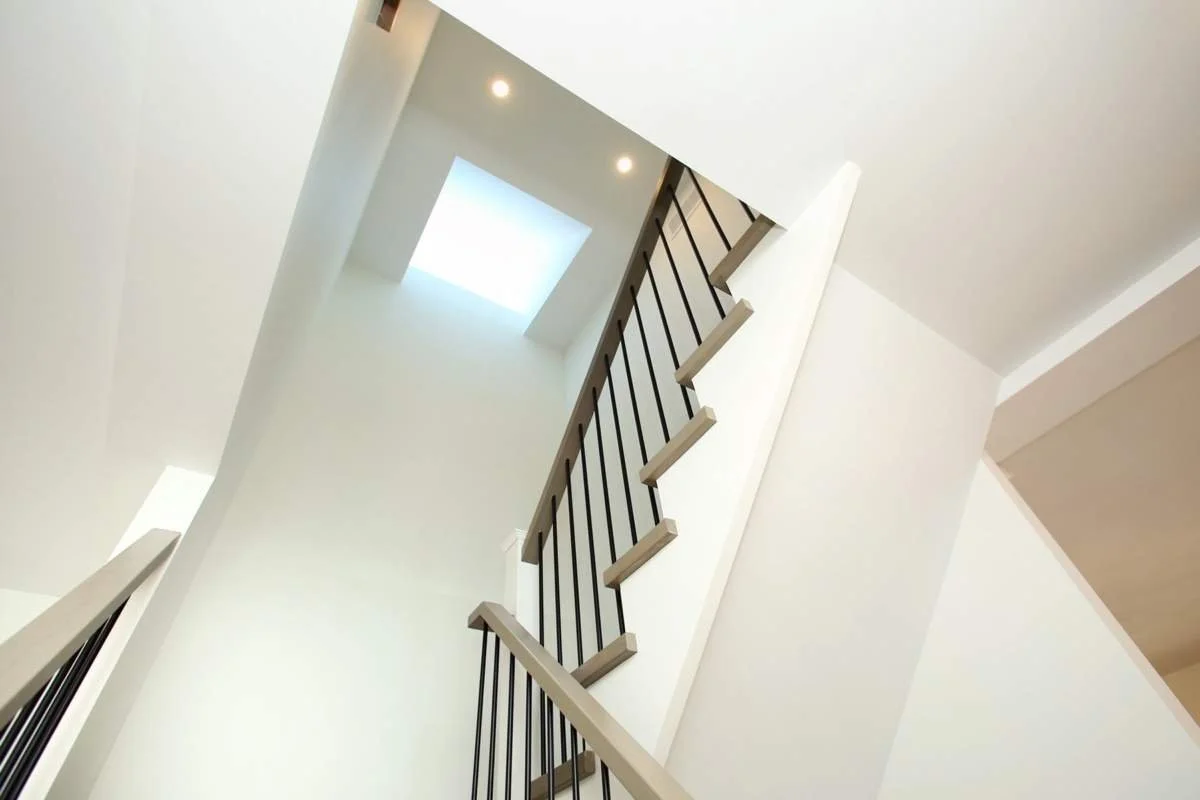
Start an Addition Conversation
BOOK A CONSULTATIONEvery second storey addition begins with understanding the house, the structure, and what the family needs long term.
Our team will walk the property, review zoning and structural feasibility, discuss budget expectations, and help evaluate whether a second storey, rear extension, or broader reconfiguration strategy makes the most sense for the home.
From there, our team coordinates design, engineering, permitting, and construction through one integrated process under one roof.
Our senior team personally reviews every project and remains involved from the first consultation through final walkthrough.